MOROCCO
Analogue photos from my trip through Marrakech, Fès, and the Sahara Desert.
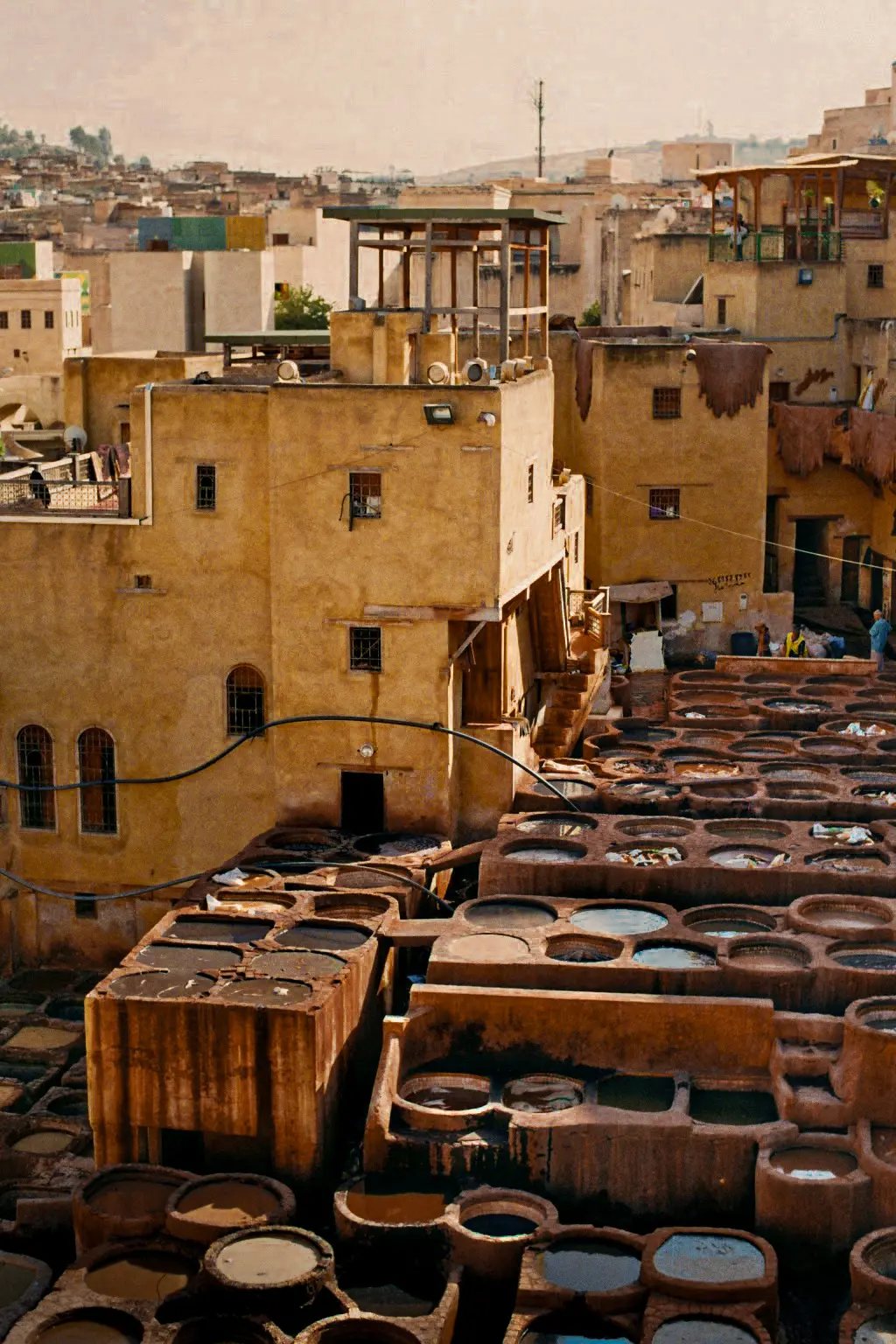
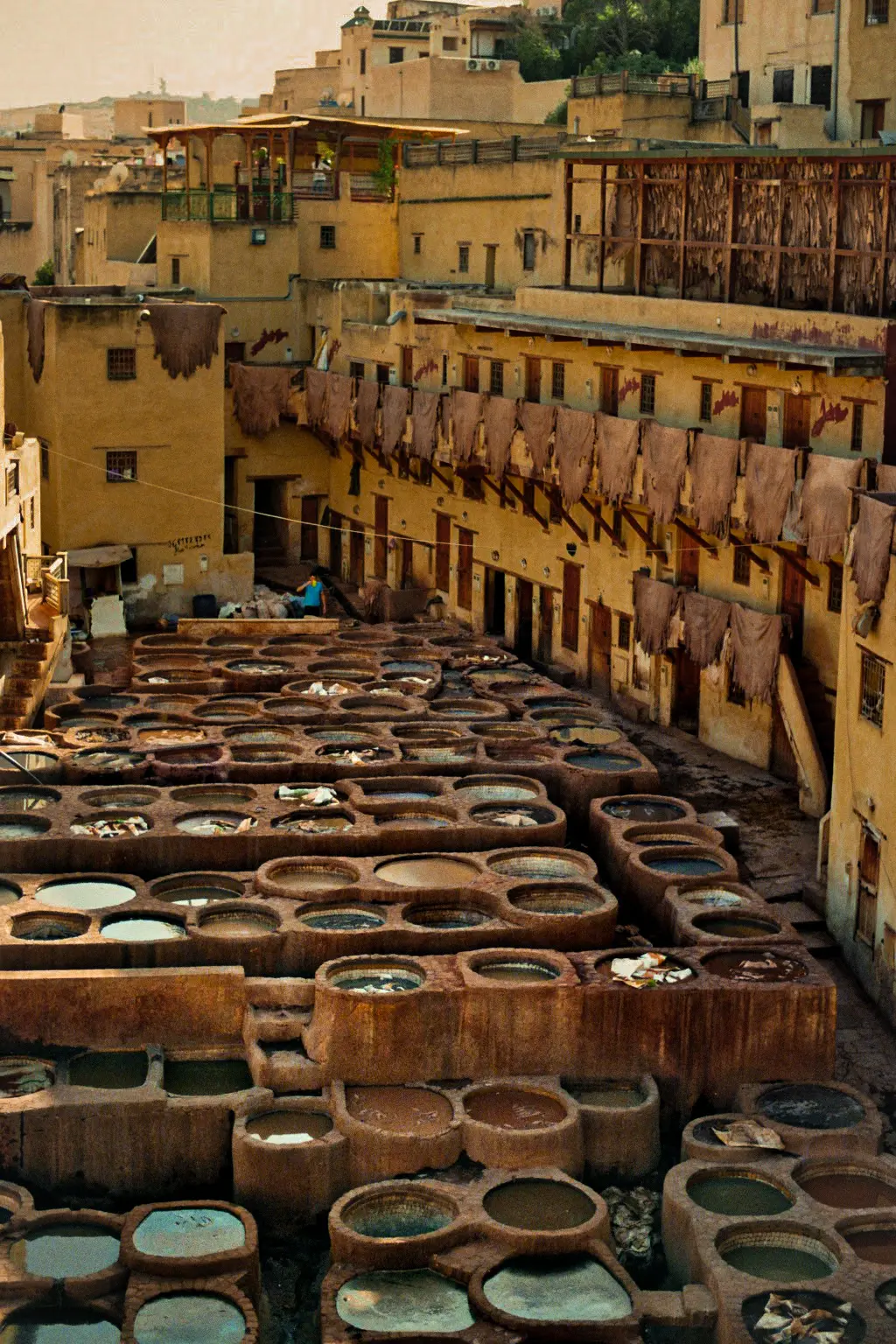
Fes is Morocco’s oldest imperial city, founded in the 8th century, known for its UNESCO-listed medina, traditional crafts, and religious and cultural heritage.
Located in the heart of Fes, Morocco, the Chouara Tannery is one of the oldest and most iconic tanneries in the world, dating back to the 11th century. This vibrant, open-air tannery is a living testament to traditional leather-making techniques that have remained unchanged for centuries. Workers hand-dye animal hides using natural substances like poppy, saffron, and indigo, creating the rich, earthy colors seen in Moroccan leather goods.
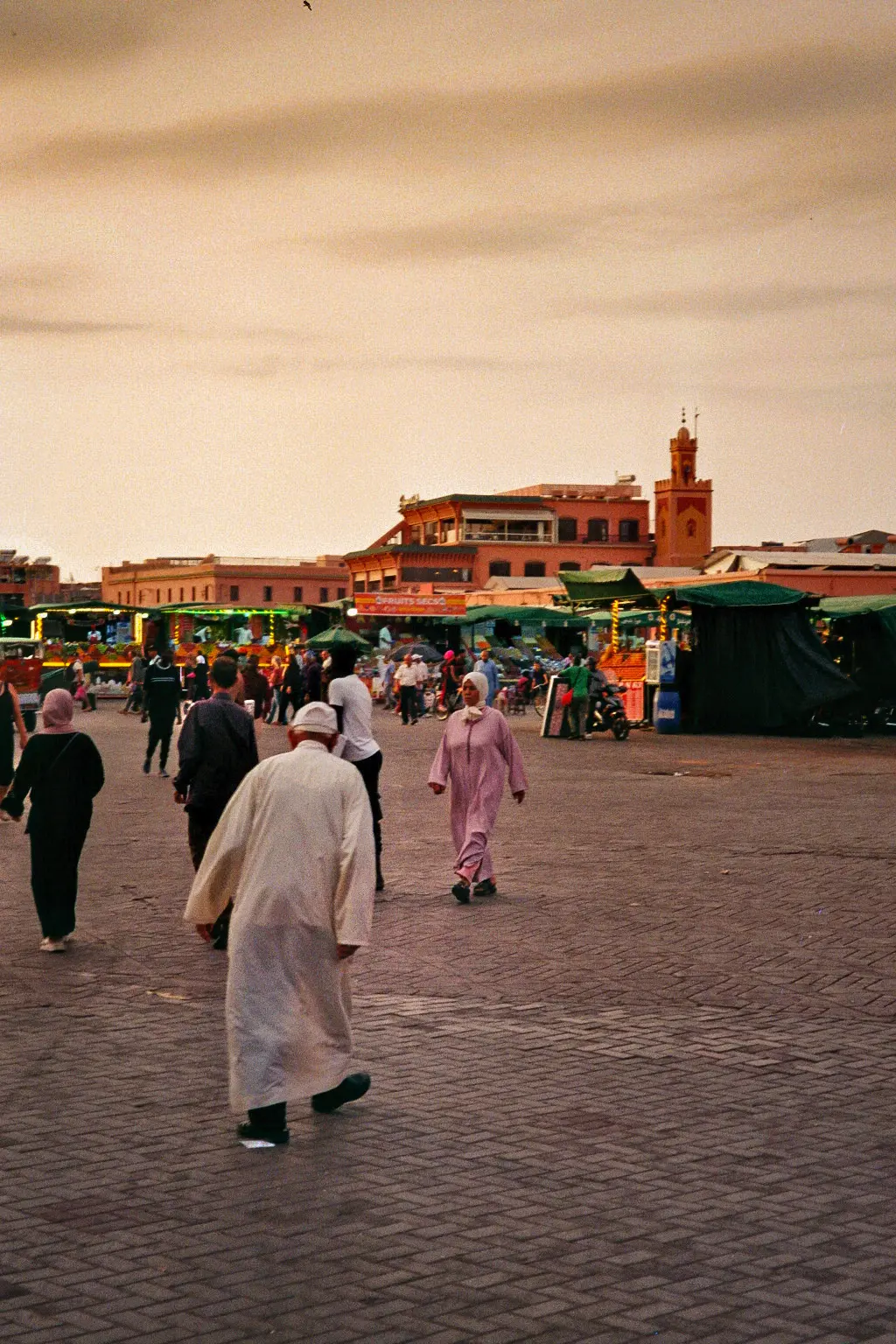
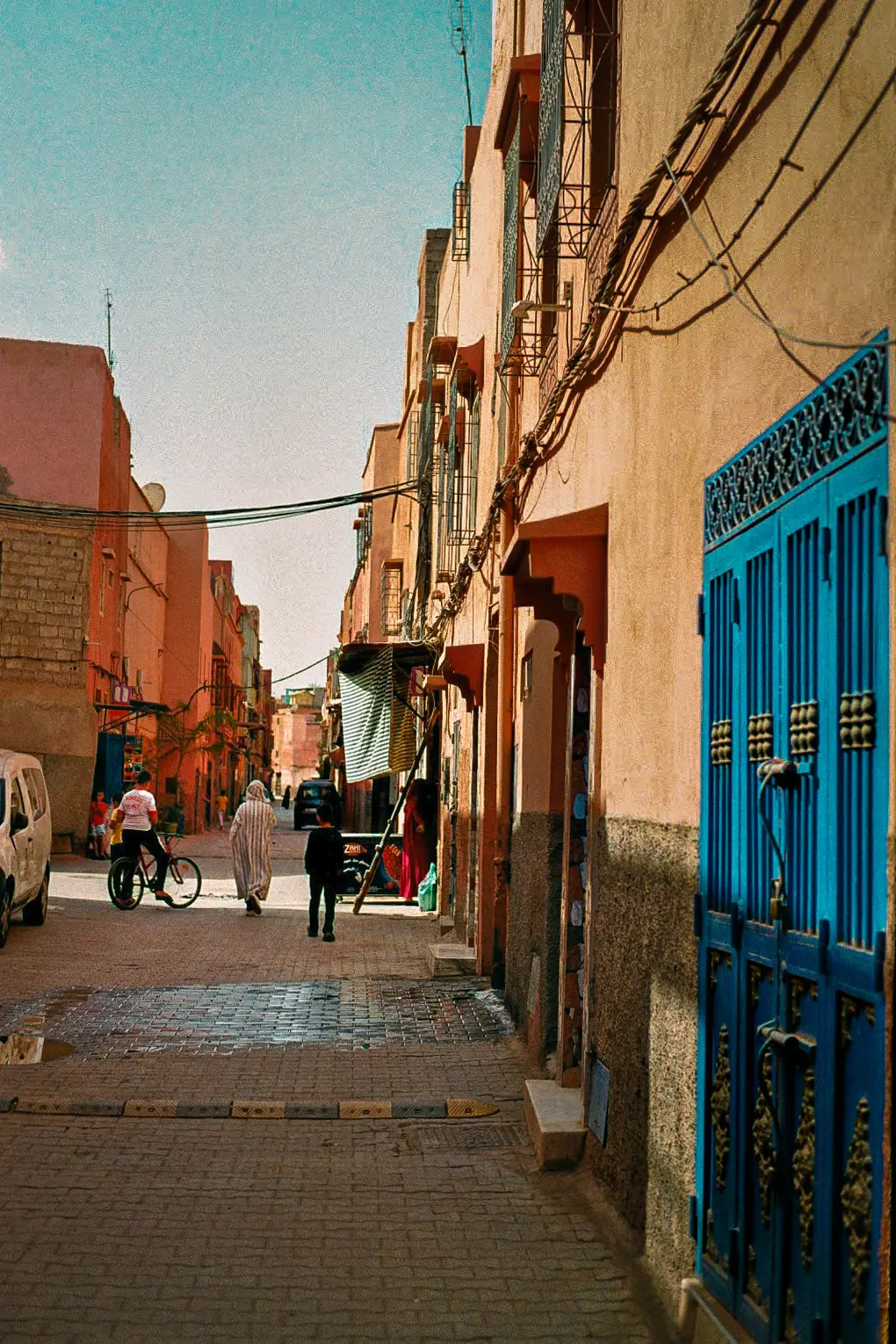
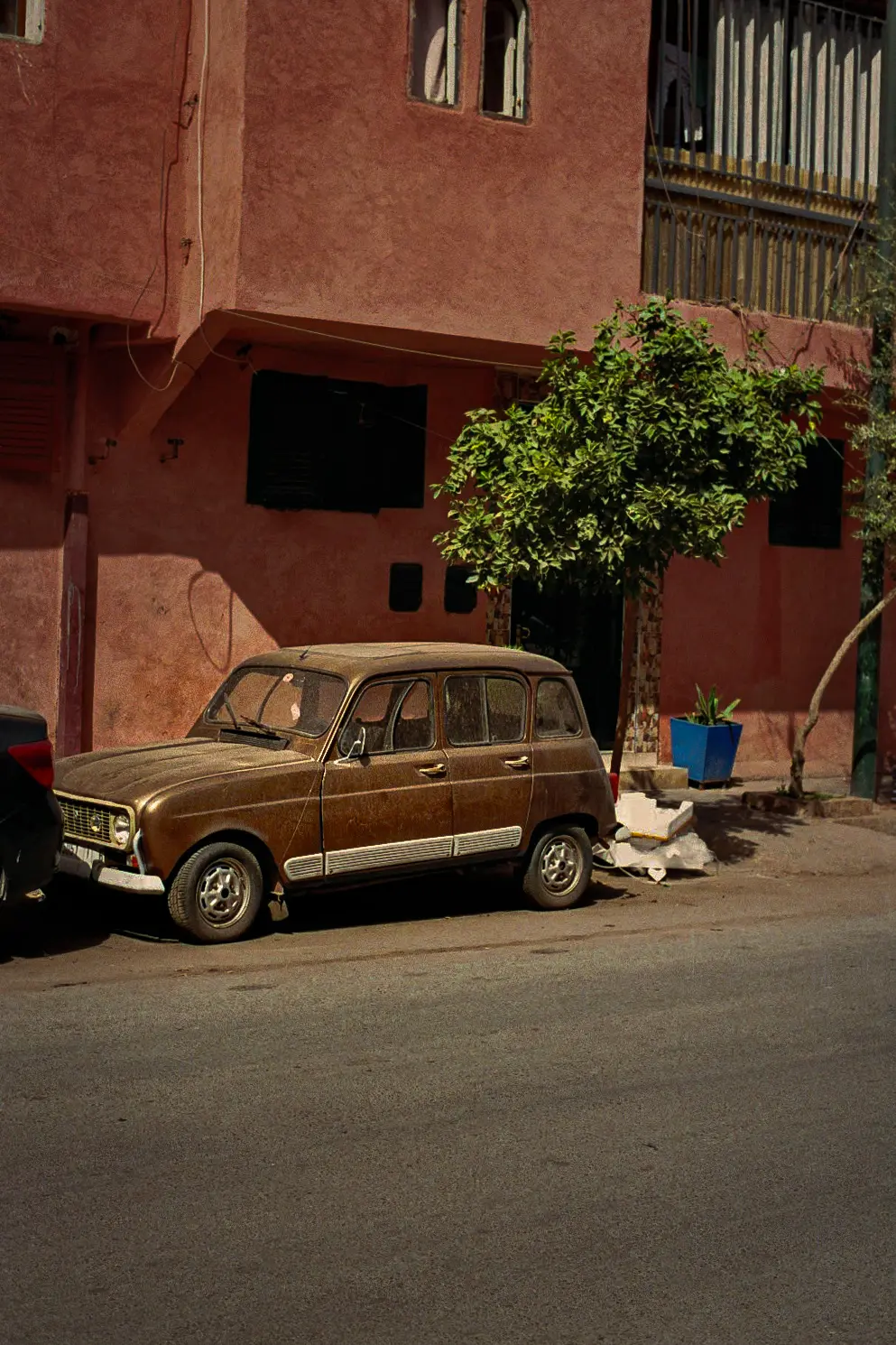
Marrakech, founded in the 11th century, is a major imperial city famous for its red sandstone architecture, historic palaces, lively souks, and the iconic Jemaa el-Fnaa square.
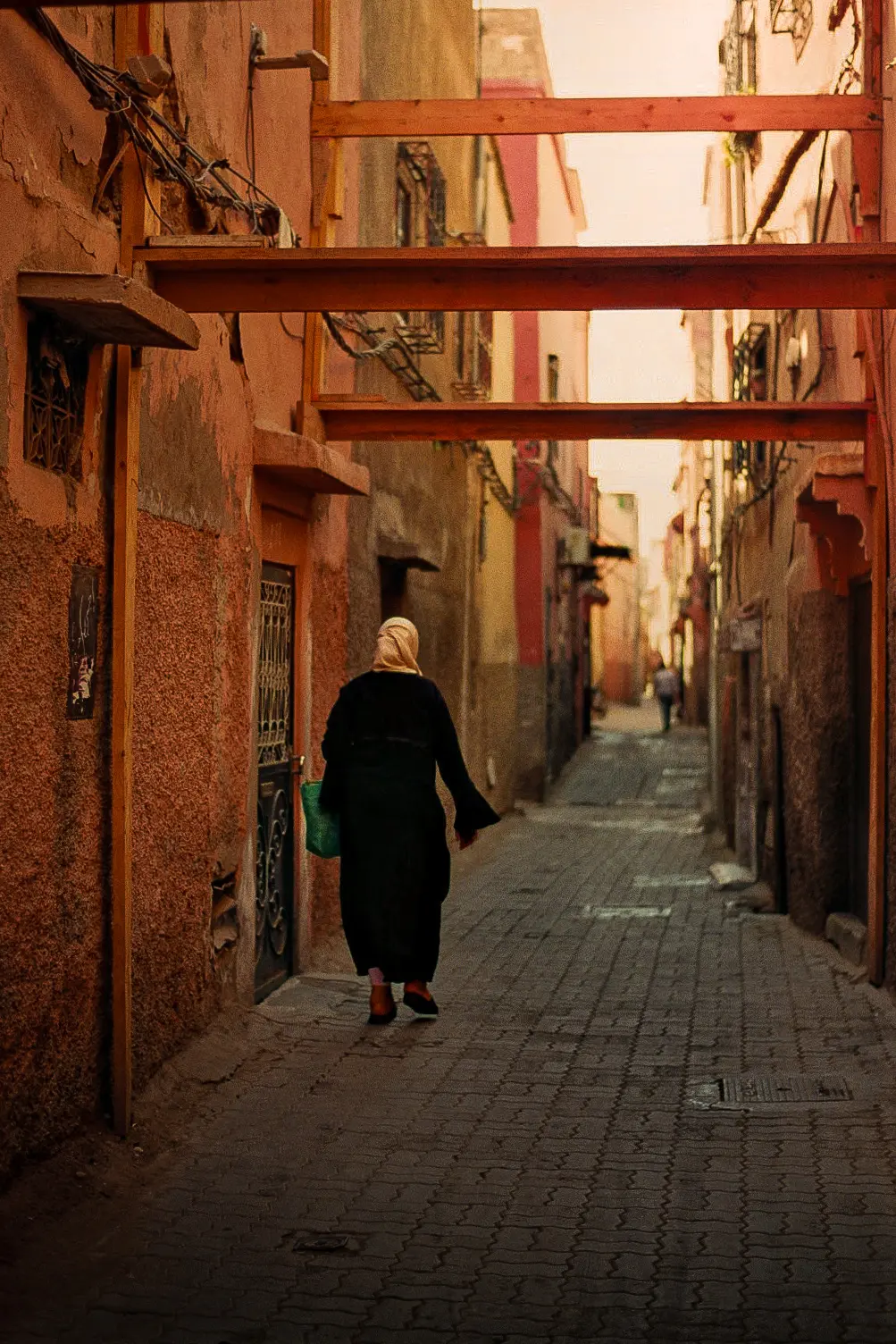
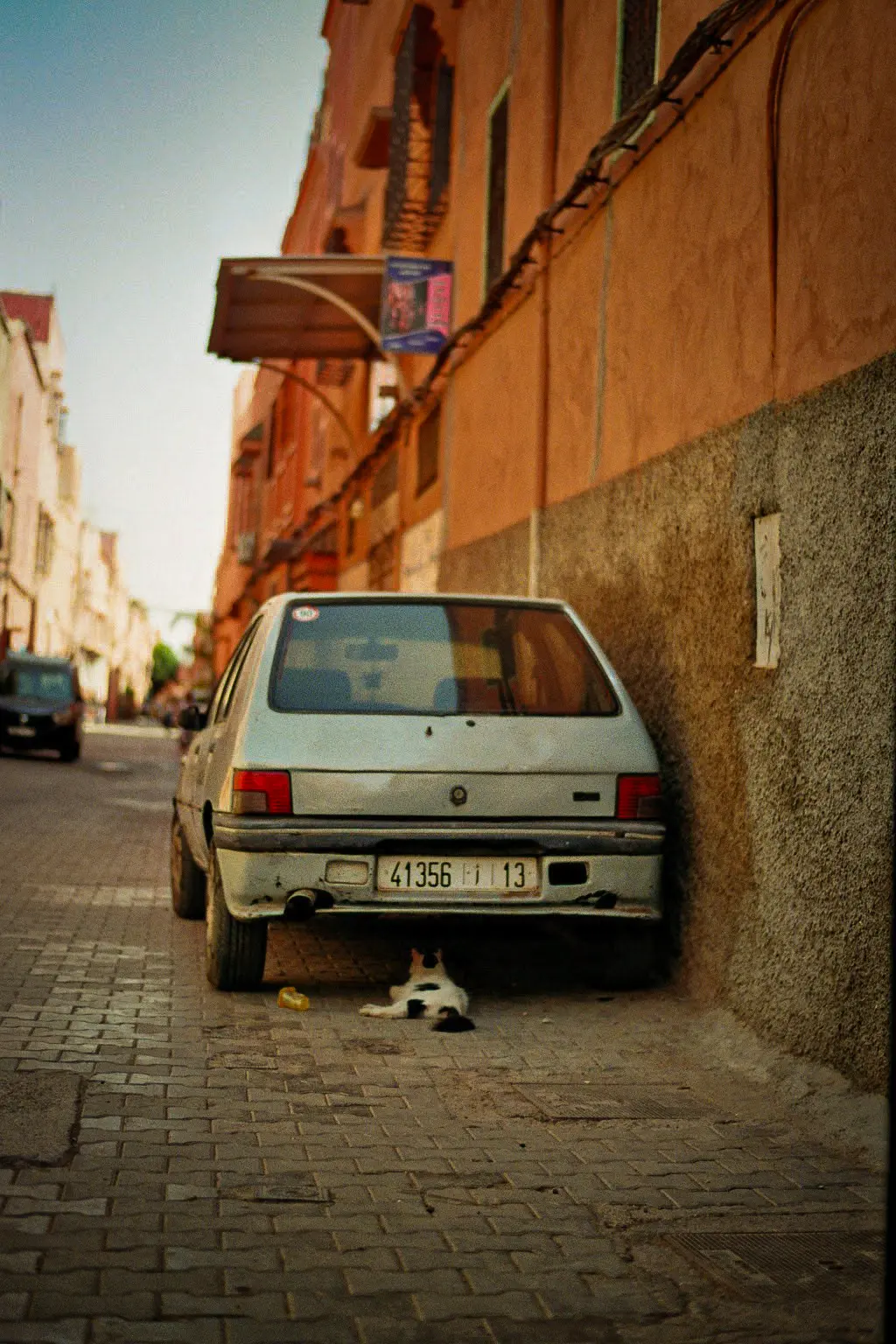
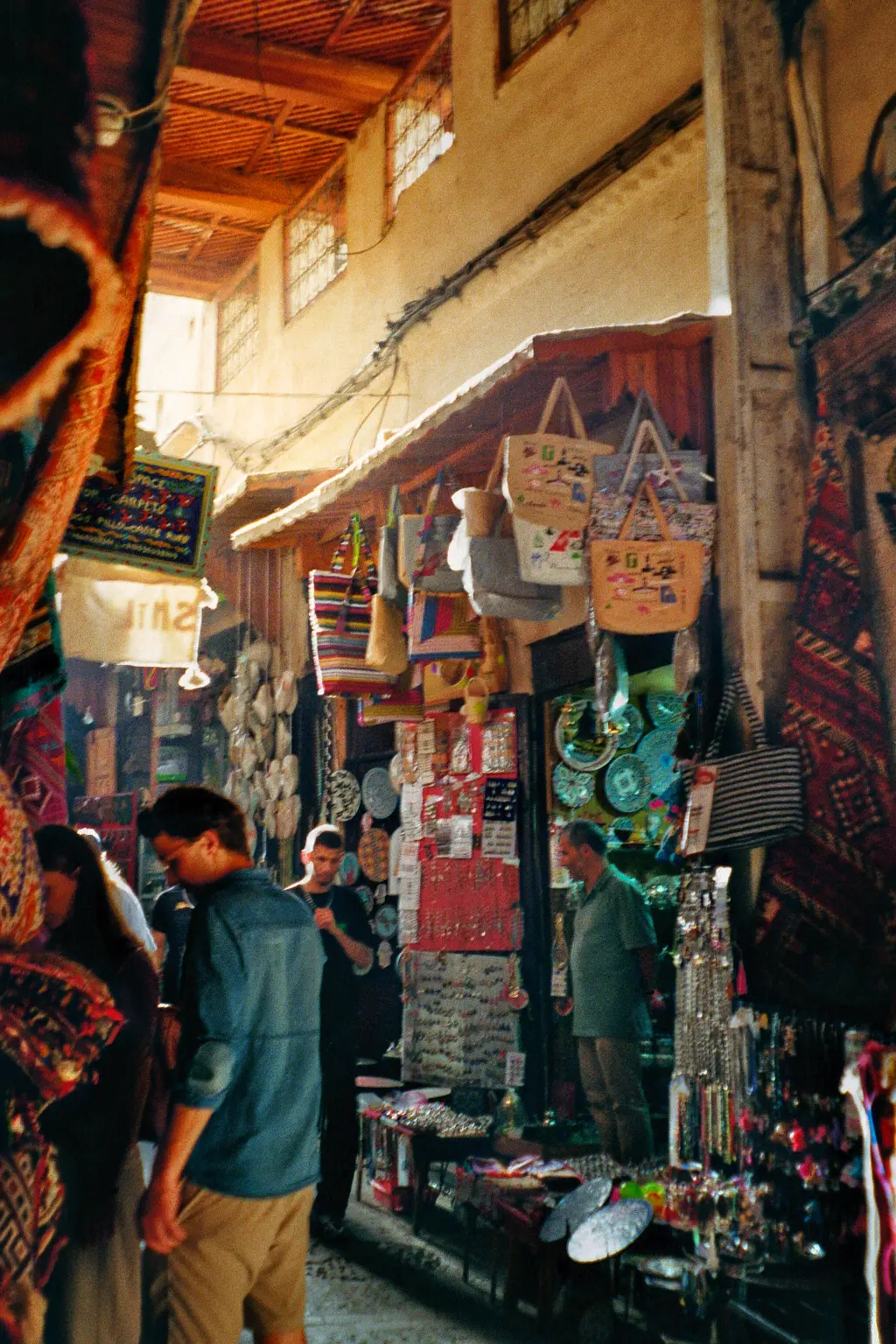
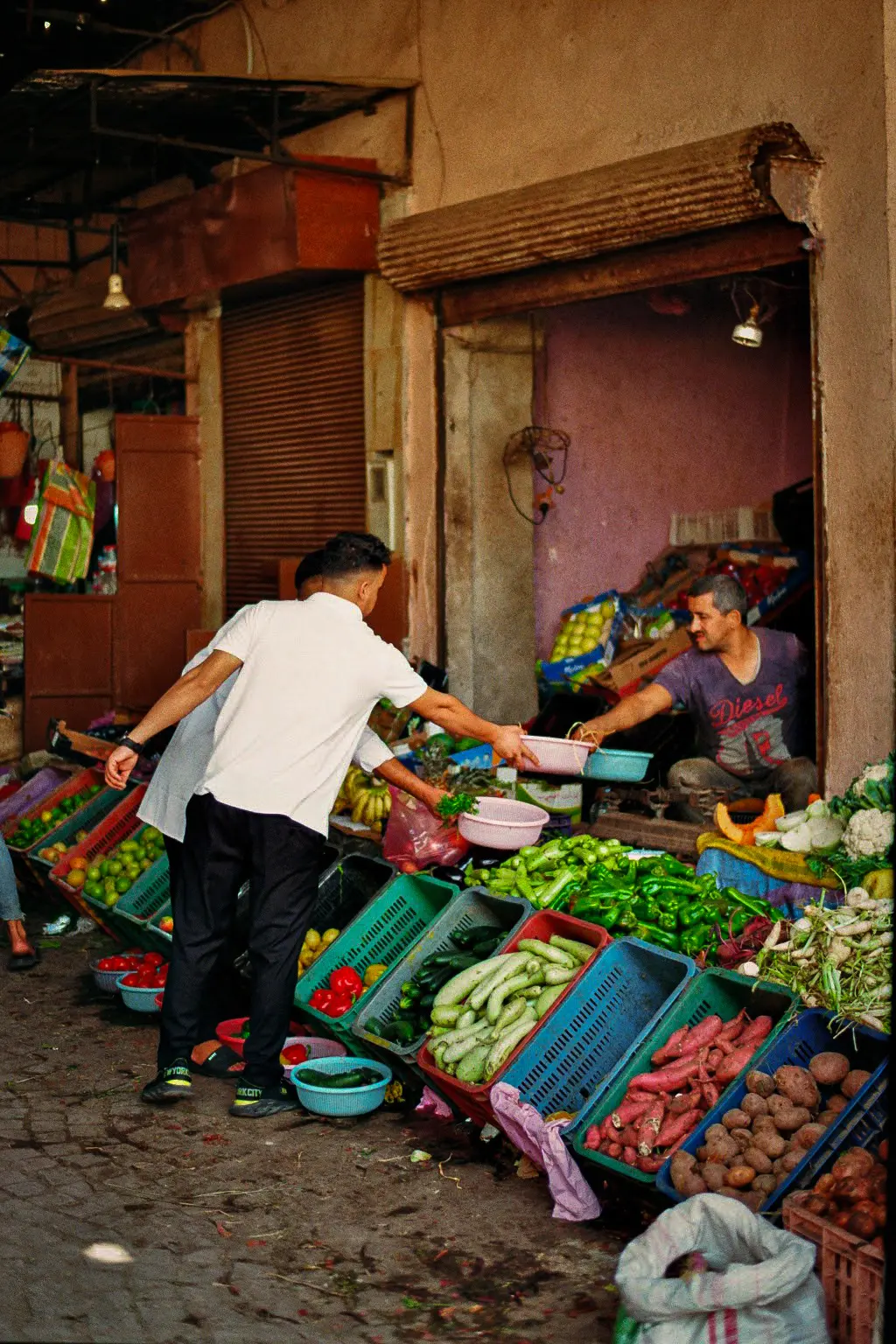
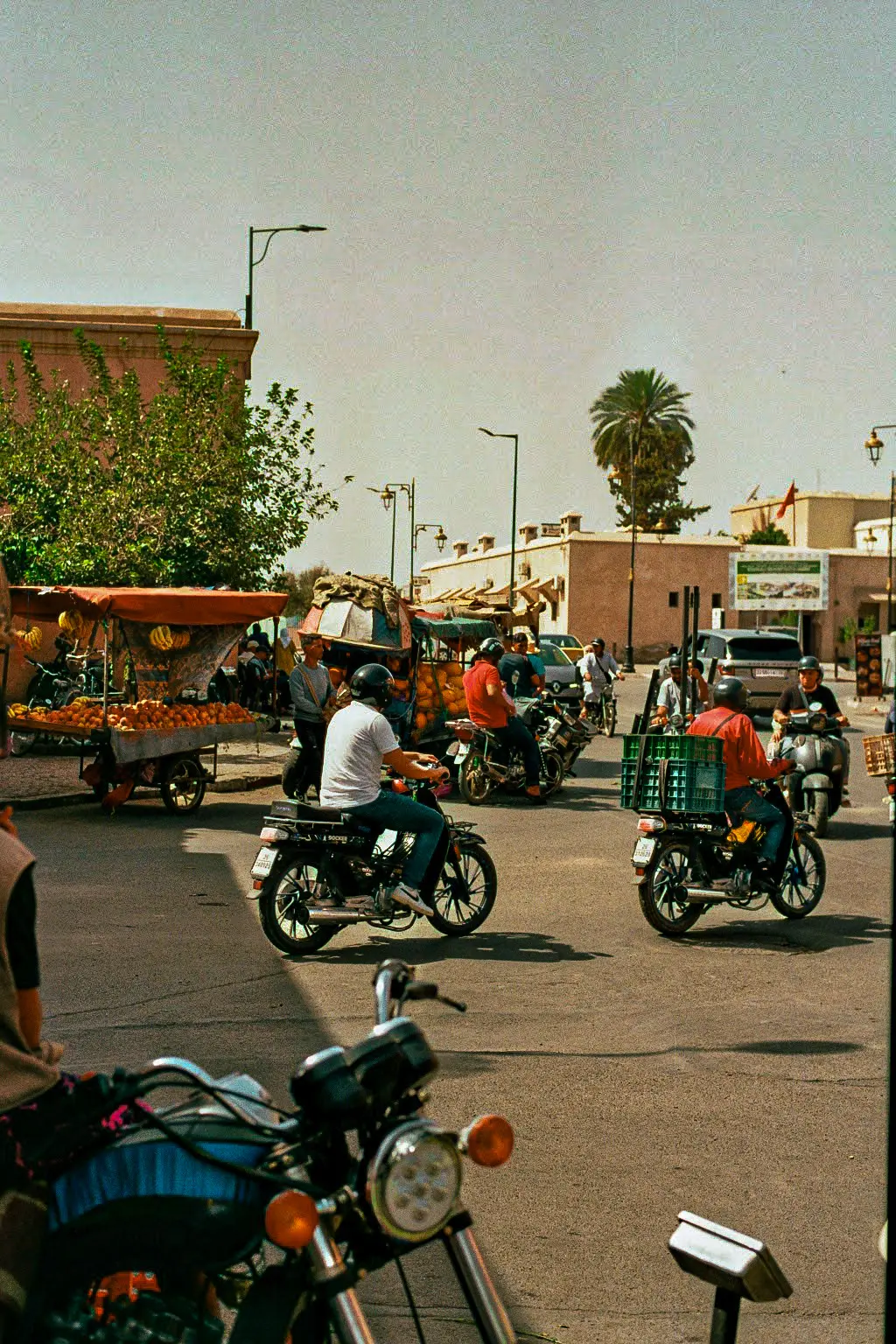
At the heart of Marrakech lies Jemaa el-Fnaa, one of Africa’s most famous squares and a UNESCO Masterpiece of Oral and Intangible Heritage. By day, the square is filled with juice vendors, musicians, and snake charmers; by night, it transforms into a bustling open-air food market. Surrounding Jemaa el-Fnaa, the maze-like souks stretch through narrow alleys packed with shops and stalls selling spices, textiles, leather goods, and handcrafted metalwork—products that reflect centuries of artisan tradition and trade. The air is alive with scents, voices, and movement as vendors actively invite visitors in. Bargaining is an essential part of the experience—rarely is the first price the final one. Amid the noise, colors, and constant negotiation, the markets offer a vivid glimpse into Marrakech’s everyday life and its rich cultural heritage, where the old and new Morocco meet.
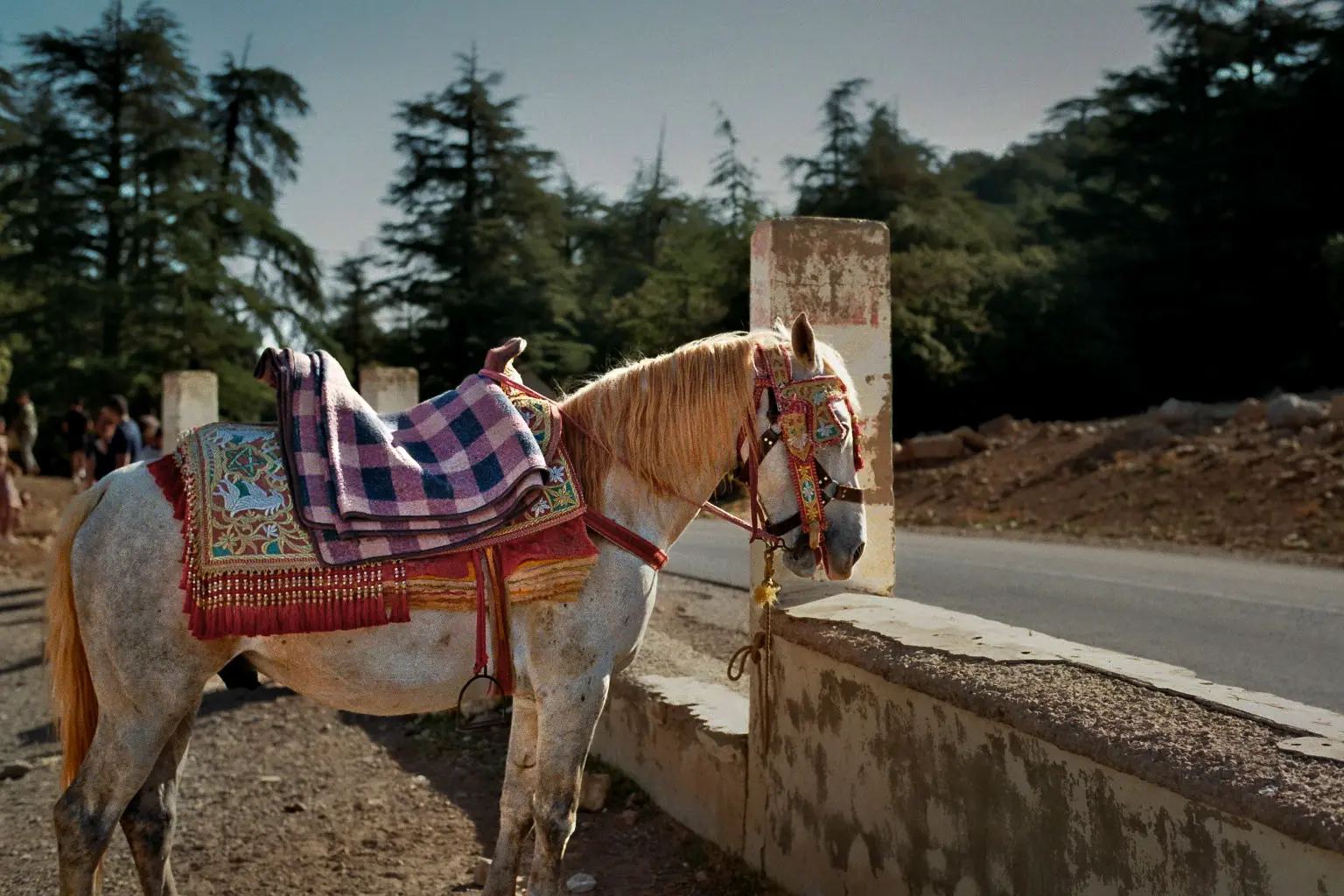
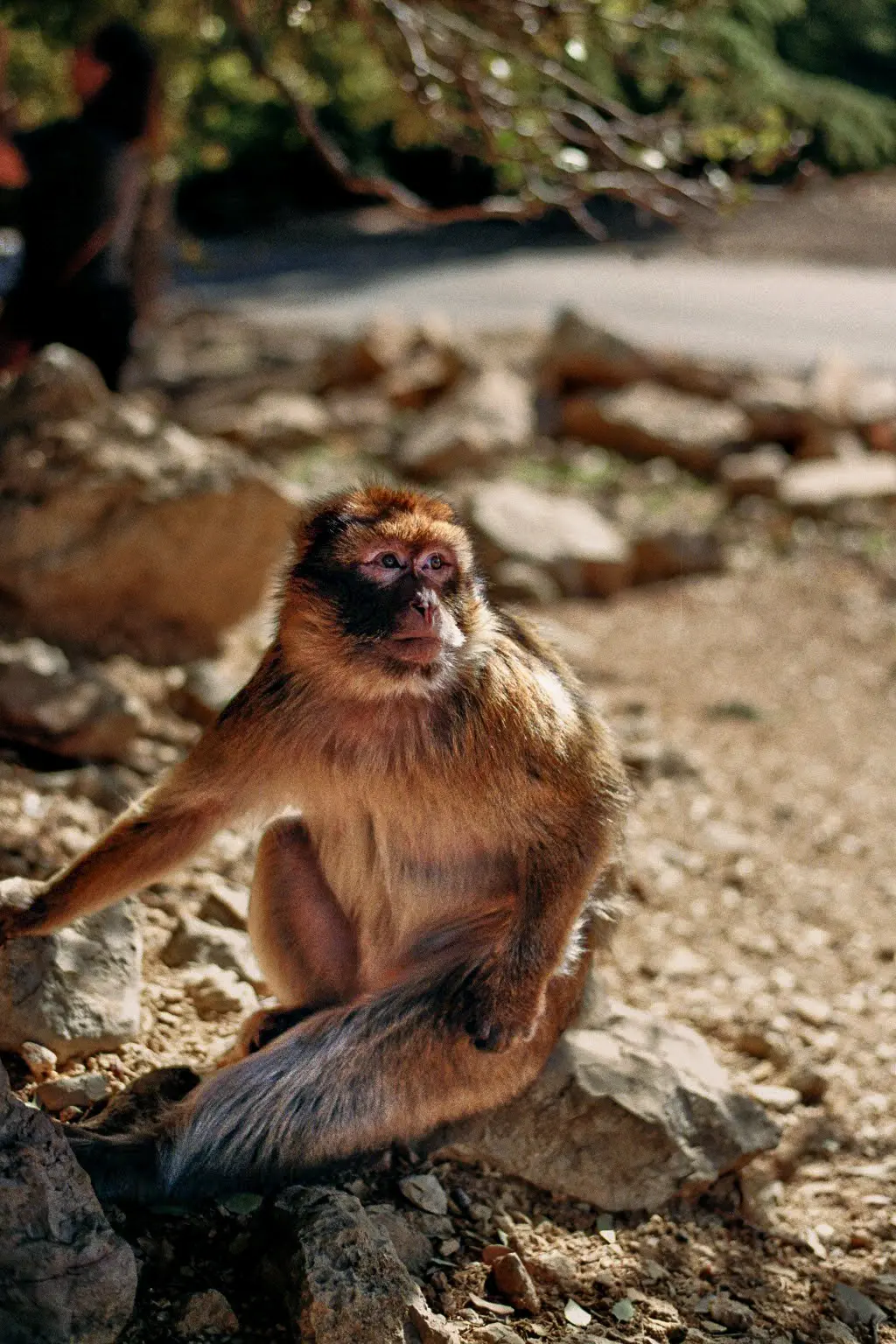
Our long journey to the Sahara Desert led us through the stunning Atlas Mountains, a vast mountain range that stretches across Morocco, Algeria, and Tunisia. This rugged landscape is home to the resilient Berber communities who have lived here for centuries, preserving their unique culture and traditions. Along the winding roads, we spotted wild Barbary macaques—North Africa’s only native monkeys. The Atlas Mountains are not only a natural barrier but also a vibrant ecosystem rich in history and life, offering a dramatic transition from lush highlands to the arid Sahara beyond.
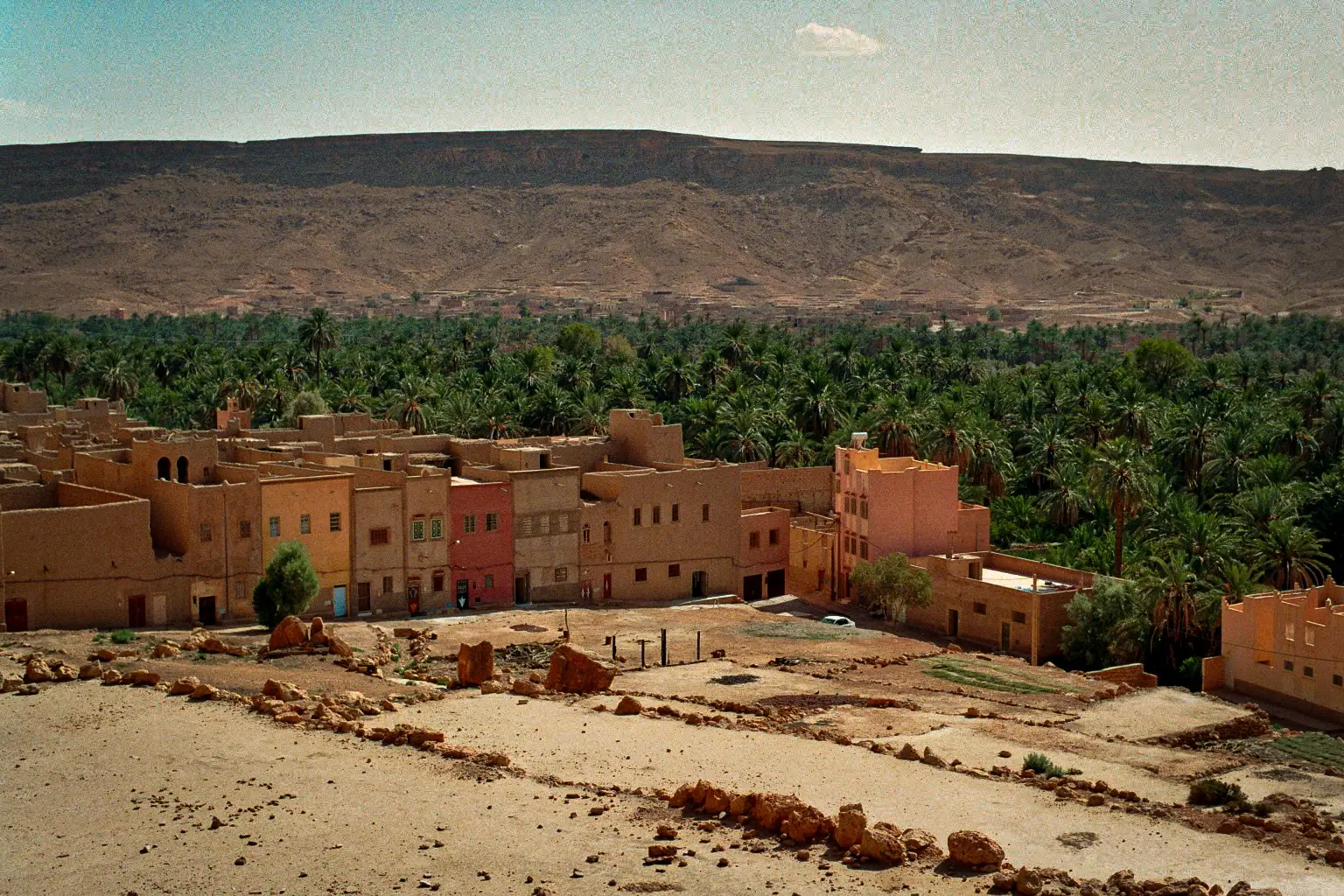
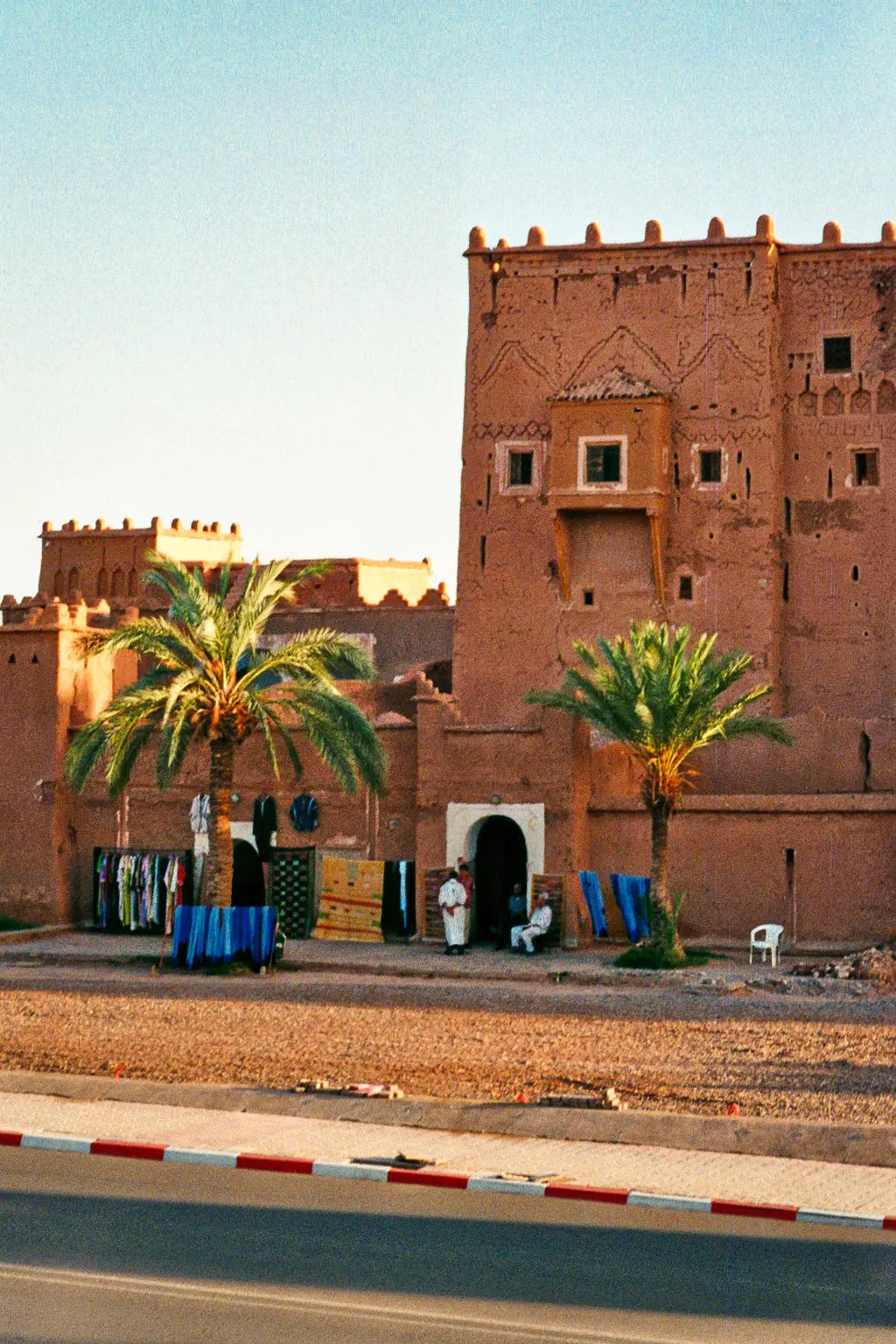
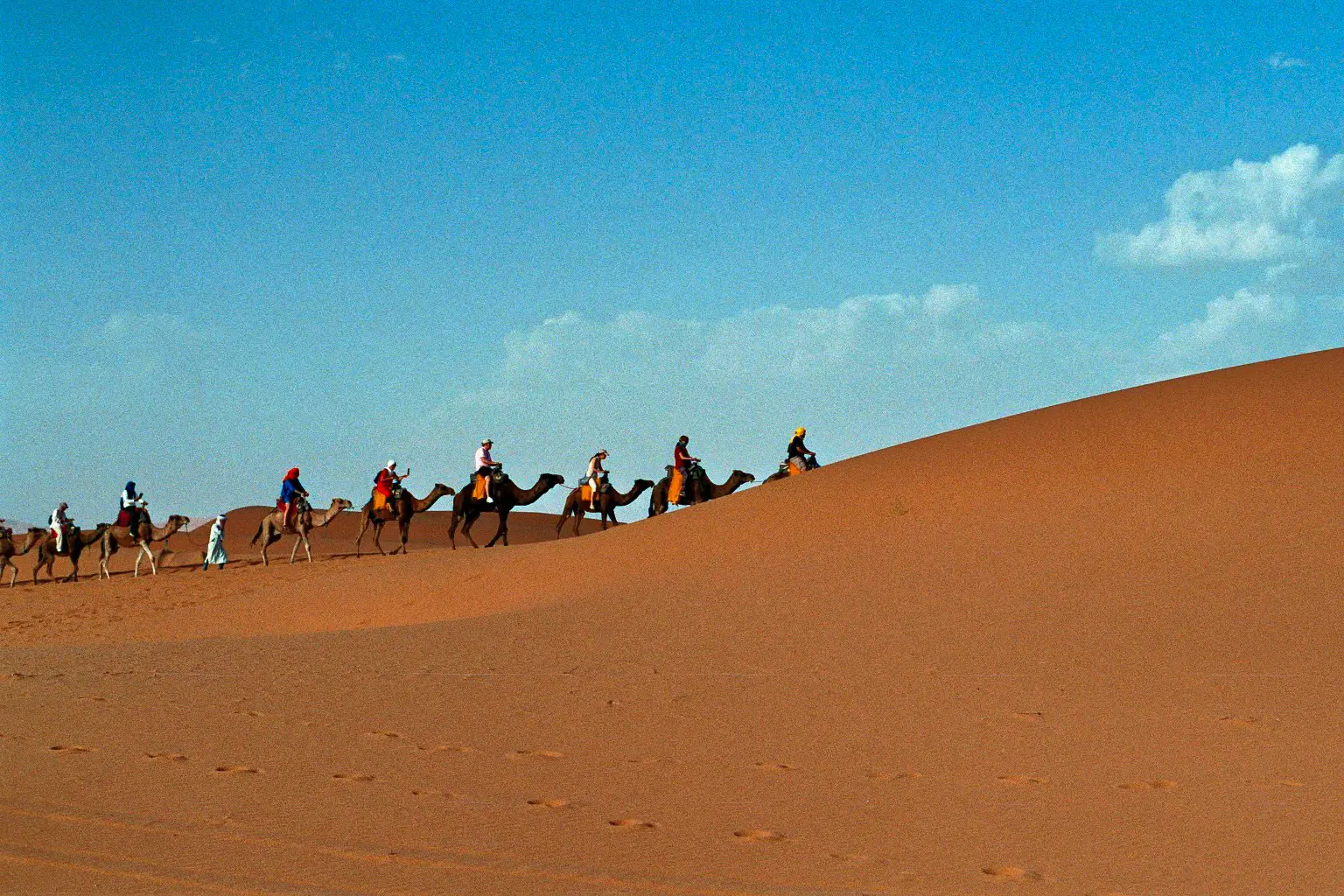
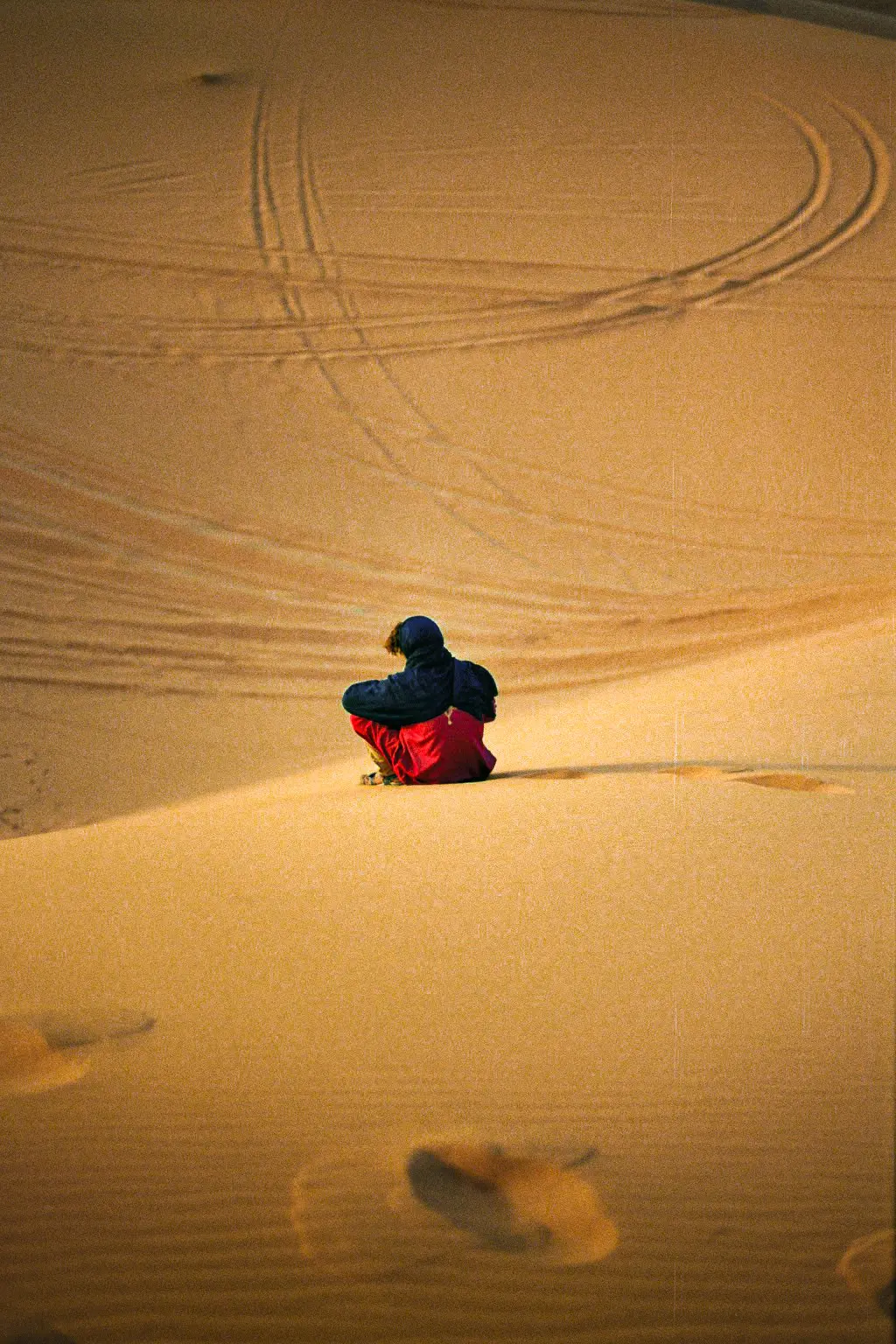
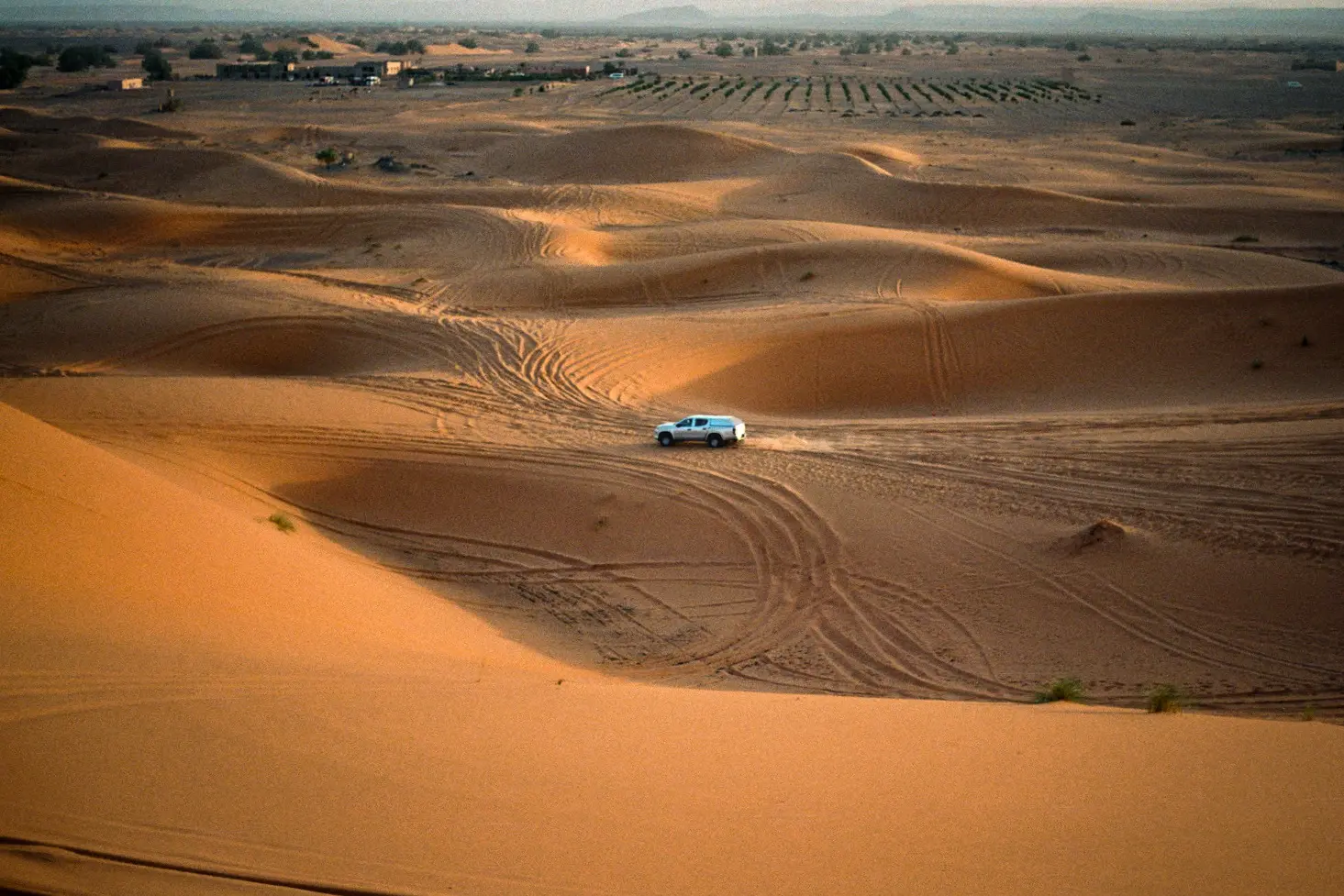
The Sahara Desert in Morocco covers a significant portion of the country’s southeast, featuring an arid climate with extreme temperatures ranging from scorching heat by day to chilly nights. This desert is part of the greater Sahara, the largest hot desert in the world, spanning multiple countries across North Africa. The Moroccan Sahara is characterized by vast sand seas, rocky plateaus, and sparse vegetation adapted to survive in harsh conditions. It is also home to nomadic Berber tribes who have adapted to the desert environment over centuries, preserving unique cultural traditions.